HomeThe MeadowHow It WorksWind MechanicsGrowing the FieldTestimonialsFAQ
flower
Privacy PolicyTerms & ConditionsCookies Policy

© 2026 — All rights reserved. windfield.site

logo

A Field Where Every Breeze Matters

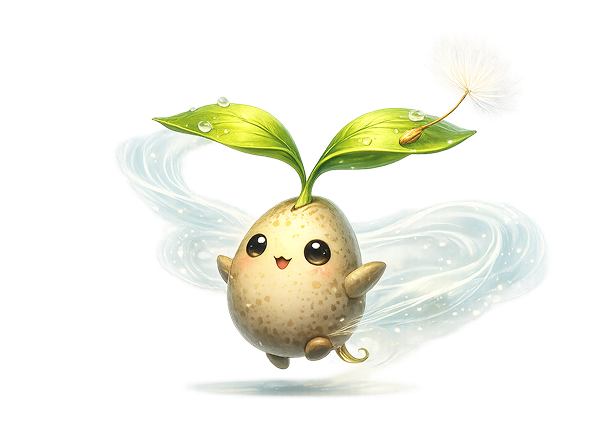
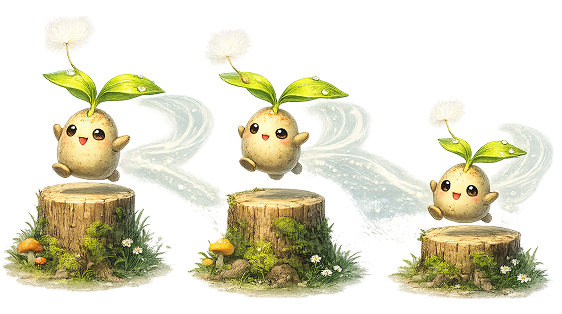
Across the meadow, countless tiny seeds wait for the wind to carry them.
Some drift gently above the grass. Others hover uncertainly, waiting for just the right current to guide them toward fertile soil.
Your role is not to push them, but to shape the air around them. By adjusting wind strength and direction, you create natural pathways that help the seeds travel safely across the field.
When a seed lands in the right place, it's pretty cool — you'll see a tiny plant start sprouting.

A Landscape That Moves With the Wind

Windfield is a living landscape.
Soft hills, quiet streams, and patches of stone shape how the wind flows through the environment.
Different areas of the meadow influence the movement of seeds in unique ways:
  • image
    Open Grass

    Allows seeds to travel long distances with minimal resistance.
  • image
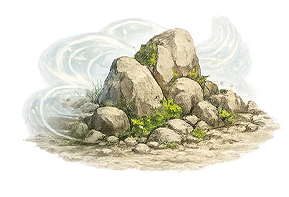
    Rocky Ground

    Blocks wind and creates turbulence that can push seeds off course.
  • image
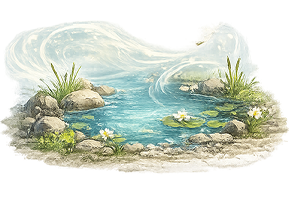
    Water Ponds

    Seeds cannot grow here, so the wind must guide them safely around.
  • image
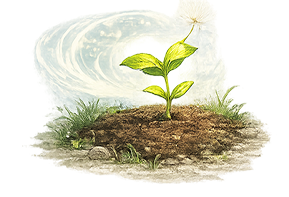
    Fertile Soil

    The destination where seeds settle and begin to grow.

Once I figured out how all the terrain affects the wind, I got so much better at mapping out where to send the seeds.

HOW IT WORKS

Guide the Wind, Not the Seed
Okay, so the puzzles aren't super complicated, but man, they really make you think differently about cause and effect.
Players can:

  • adjust wind strength to increase or reduce movement
  • redirect airflow across the field
  • place wind guides that change the direction of drifting seeds
  • create smooth wind pathways across terrain

What surprised me is how realistic the seed physics feel — they actually behave like you'd expect real seeds to in the wind.
A gentle current can carry them safely across the field, while poorly placed wind streams may send them into obstacles.
The challenge lies in shaping the invisible force that moves them.
how

WIND MECHANICS

Understanding the Air
Wind in the meadow behaves like a flowing field rather than a single direction.
Players learn to manage several elements of airflow:
  • image

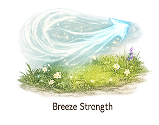
    Stronger wind pushes seeds farther but can reduce control.
  • image

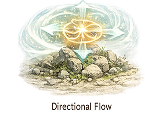
    Changing wind direction can open entirely new routes across the map.
  • image

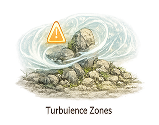
    Certain terrain creates unstable air currents that must be carefully navigated.
  • image

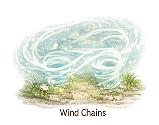
    Multiple currents can be linked together to create longer pathways.

After playing for a while, I found myself threading seeds through the most ridiculous obstacle courses.

GROWING THE FIELD

From Empty Ground to Living Meadow
Each seed that reaches fertile soil grows into a small plant.
As levels progress, the meadow gradually transforms.
Players begin to see:

  • patches of flowers spreading across the field
  • grasses growing where seeds once landed
  • larger plants appearing as multiple seeds take root

Over time, the once-empty landscape becomes a thriving natural field shaped by the wind.
I'll be honest — sometimes I just sit there watching the little plants grow because it's weirdly mesmerizing.

TESTIMONIALS

Sofia M.
Sofia M.

“I love the visual transformation of the meadow as plants begin to grow. It gives the puzzle a sense of progress beyond just completing levels.”

Marcus L.
Marcus L.

“Some puzzles become surprisingly strategic when multiple seeds are drifting at once. Finding a wind route that guides them all safely is very rewarding.”

Aisha K.
Aisha K.

“I love how chill this game is. There’s no pressure, just thoughtful experimentation with airflow.”

Thomas W.
Thomas W.

“The combination of physics and nature is very well done. It’s relaxing, but it also makes you think carefully about how the wind moves.”

Elena P.
Elena P.

“Honestly, this game's super relaxing. There's something really zen about just watching those little seeds float around. The mechanics are simple, but planning the wind paths becomes very satisfying.”

Daniel R.
Daniel R.

“The nature theme works perfectly with the gameplay. Adjusting the wind feels intuitive, and the way seeds respond to airflow makes every level feel organic.”

FAQ

The basic mechanics are easy to understand. Players simply guide the wind to help seeds reach fertile ground. Early levels introduce airflow gradually so players can observe how seeds react to different currents. As new terrain types appear, puzzles become more strategic. The game grows deeper while remaining accessible.
It's meant to be a chill, take-your-time kind of game. Seeds drift slowly through the air, giving players time to experiment with wind paths. There are no timers forcing quick decisions. The focus is on observation and gentle problem solving. It's become my go-to game when I'm curled up on the couch and don't want anything too intense.
Yes, seeds respond naturally to changes in airflow. Strong winds can carry them farther, while softer breezes provide more precise control. Terrain can also influence how wind moves through the level. After a few levels, you start to get this intuitive feel for how the seeds will move, and suddenly everything just makes sense. This creates a dynamic but predictable system.
Yes, the meadow expands into a variety of landscapes as players progress. Some levels include rocky terrain that disrupts airflow. Others introduce water areas that seeds must avoid. Open plains allow long wind paths, while narrow areas require careful redirection. Each environment changes how the wind behaves.
Later levels often include several drifting seeds simultaneously. Players must design wind paths that guide them without collision or loss. Managing multiple seeds adds a new layer of planning. Efficient wind routes become increasingly important. You really need to pay attention and think strategically about your wind setup to nail these levels.
Most puzzle games involve direct control over objects. In Windfield: Seed Journey, players shape the environment instead. Seeds move naturally according to the wind you create. Not controlling the seeds directly gives it this really natural feel that draws you in. It ends up feeling really natural and zen, like you're actually working with nature instead of against it.